
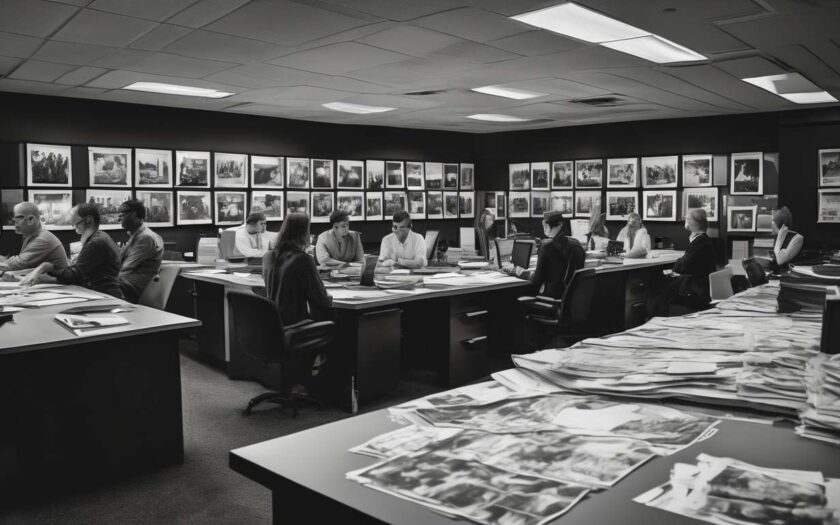
"Giving voice to the voiceless through the lens"—this metaphor aptly captures how mainstream media is now covering adult photography with greater nuance and understanding.
In the past, conversations surrounding adult photography were often mired in controversy and stigma. However, there has been a notable shift towards presenting these stories with richer context. This change highlights an evolving societal narrative concerning adult content and its creators.
What’s driving this transformation?
-
There is growing acknowledgment that adult content is part of a broader cultural dialogue around art, sexuality, and individual expression.
-
Increased media literacy has played a significant role, as audiences demand more transparency from media outlets.
-
This has led to outlets peeling back layers and presenting a more comprehensive picture that respects both the creators and the audience.
As we explore this shift, we must ask ourselves: Are we finally ready to have a mature discussion about adult photography’s place in media and society?
This question invites reflection on how far we’ve come and what further steps are necessary to continue this conversation in a respectful and informed manner.
The Evolution of Adult Content Coverage
Over the years, we’ve seen a significant shift in how media outlets cover adult content, reflecting broader cultural and technological changes. The evolution of media coverage has transformed from sensationalism to a more nuanced approach that considers societal perceptions and respects the complexities of adult photography.
As a community, we crave understanding and acceptance, and this shift in coverage helps us feel more connected and informed.
In recent times, media coverage has started to present adult photography as an art form, acknowledging its place within our cultural tapestry. By doing so, media narratives support a more inclusive dialogue around adult content, inviting us to:
- Explore
- Discuss
rather than judge or dismiss. This transformation in reporting reflects a deeper understanding of our shared experiences, ultimately fostering a sense of belonging.
Together, we’ve witnessed an exciting journey where media coverage becomes a bridge, connecting diverse perspectives and encouraging us to see adult photography through a lens of empathy and comprehension.
Shifting Societal Perceptions
Societal Perception Shift
We’ve witnessed a gradual yet undeniable change in how society views adult photography, moving from stigmatization to a more open-minded and inclusive perspective.
Role of Media Coverage
The media coverage has played a significant role in this transformation by:
- Providing a platform for diverse voices and narratives
- Challenging outdated stereotypes
Recognition as Art and Communication
As a community, we’re starting to:
- Recognize the artistic and personal expression involved in adult photography
- Acknowledge it as a legitimate form of art and communication
Embracing Societal Changes
We’re embracing this shift in societal perceptions by:
- Finding unity in understanding and respecting different forms of expression
- Engaging in nuanced conversations that once seemed taboo
Fostering Inclusivity
This shift has fostered a sense of belonging among those who have felt marginalized for their involvement in or appreciation of this art form.
By embracing these changes, we’re creating a more inclusive society where adult photography can be discussed openly and respectfully, enhancing our collective understanding and acceptance.
Impact of Media Literacy
Understanding media literacy empowers us to critically evaluate and engage with the narratives surrounding adult photography.
As a community, we need to navigate the media coverage thoughtfully, discerning between biased portrayals and comprehensive representations. By doing so, we foster informed discussions that challenge outdated societal perceptions and promote acceptance.
When we enhance our media literacy, we enable ourselves to see beyond sensationalized headlines.
We start to recognize the diverse experiences and stories within adult photography, appreciating its complexity and impact. This shift in perspective allows us to engage with the topic more empathetically and inclusively.
Our shared journey toward better understanding is vital.
It encourages us to:
- Question how adult photography is framed.
- Seek truthful insights.
As we grow in our media literacy, we contribute to a culture that values authenticity over stereotypes. Together, we can reshape the narrative, ensuring that media coverage reflects the nuanced realities of adult photography and its participants.
Unveiling Comprehensive Narratives
To truly understand the layers and depth of adult photography, we must seek out and share comprehensive narratives that illuminate the diverse realities of its participants. By doing so, we nurture a sense of belonging and empathy within our communities.
Media coverage often shapes societal perceptions, and by highlighting varied stories, we foster a more nuanced understanding of adult photography.
As we explore these narratives, it’s essential to include voices that reflect the full spectrum of experiences within this field. When media coverage delves deeper, we challenge stereotypes and break down preconceived notions. Together, we can create a more inclusive dialogue that respects the individuality of those involved.
Our shared goal should be to ensure that societal perceptions aren’t limited to superficial portrayals. Instead, let’s embrace stories that reveal the motivations, challenges, and triumphs of those who contribute to adult photography.
Through comprehensive narratives, we build a foundation of respect and understanding, connecting us in meaningful and transformative ways.
Respecting Creators and Audiences
Prioritizing Mutual Respect
We must prioritize mutual respect by acknowledging the artistry and purpose of creators while honoring the diverse interests of audiences. In doing so, we can foster a more inclusive environment where adult photography is appreciated for its creative and narrative potential.
Role of Media Coverage
Media coverage plays a pivotal role in shaping societal perceptions. It’s essential for the media to present adult photography with nuance and understanding.
Recognizing Dedication and Skill
By recognizing the dedication and skill of creators, we:
- Validate their work
- Invite audiences to engage with it thoughtfully
This approach ensures that both creators and audiences feel seen and respected, contributing to a sense of belonging within this artistic space.
Challenging Outdated Perceptions
As we challenge outdated societal perceptions, we encourage a shift towards more informed and empathetic discussions.
Creating a Celebratory Culture
Together, we can create a culture that:
- Celebrates diversity in expression
- Respects the personal and collective boundaries of all involved in adult photography.
Art, Sexuality, and Individual Expression
Art and sexuality intertwine to offer a rich tapestry of individual expression that challenges and expands our understanding of human experience. Through adult photography, artists capture moments that reflect the diverse spectrum of desire and identity.
As we engage with this form of art, we see how media coverage can shape and shift societal perceptions. By exploring these themes, we’re not just observers; we’re participants in a broader dialogue about freedom and identity.
Adult photography, often judged superficially, deserves nuanced media coverage that respects its artistic merit. When mainstream media approaches it with context and insight, we gain a deeper appreciation for the stories behind the images. These narratives foster a sense of connection and belonging, as they reflect shared human emotions and experiences.
As societal perceptions evolve, we must recognize the power of adult photography to:
- Challenge norms
- Celebrate individual expression
Together, we can advocate for media coverage that honors this complex, vibrant art form.
Mature Discourse on Adult Photography
Adult photography challenges societal boundaries while enriching cultural dialogues. By acknowledging how media coverage shapes societal perceptions, we can better understand how adult photography is viewed and discussed.
Adult Photography as a Reflection of Societal Norms:
- Adult photography is often misunderstood but is crucial in reflecting our evolving societal norms.
- It breaks taboos and invites reconsideration of what is deemed acceptable.
- As media coverage becomes more inclusive and contextual, it highlights the artistic and expressive elements of this genre.
Dismantling Stereotypes through Mature Discourse:
- Our discourse should aim to dismantle stereotypes and encourage a comprehensive understanding of adult photography.
- When the media approaches this genre with maturity, it allows us to appreciate it as art that communicates complex human experiences.
Transforming Societal Perceptions:
- By embracing mature discussions, we can transform societal perceptions.
- This approach helps cultivate an environment where diverse expressions are respected and valued.
Redefining Cultural Narratives:
- Together, we can redefine cultural narratives by fostering a sense of community and understanding.
- Open discussions about adult photography can lead to a more inclusive and enriched cultural dialogue.
Steps Towards Informed Conversations
To foster informed conversations, we must prioritize education and empathy, recognizing the nuances of adult photography.
As a community, we can challenge societal perceptions by encouraging open dialogues rooted in respect and understanding. By doing so, we dismantle the stigma often perpetuated by limited media coverage.
Engagement with Diverse Perspectives:
- Let’s engage with diverse perspectives and listen actively to those involved in adult photography.
- This approach helps us move beyond stereotypes and appreciate the complexities that mainstream narratives might overlook.
- When media coverage includes voices from within the industry, we gain a clearer picture of its realities, fostering a more inclusive atmosphere.
Support for Transparency and Ethical Standards:
- We should support initiatives that promote transparency and ethical standards in adult photography.
- By advocating for responsible practices, we contribute to a healthier discourse.
Together, we can create a space where all members feel valued and informed. It’s crucial that we take these steps, ensuring our conversations are both enlightened and compassionate.
What are the ethical considerations for journalists when covering adult photography?
When covering adult photography, we must consider ethical implications. It’s crucial for journalists to approach this subject with sensitivity and respect for all individuals involved.
Key considerations include:
-
Consent: Ensure that all parties involved have given explicit permission for their images and stories to be shared.
-
Privacy: Protect the identities and personal information of those featured, unless they have consented to be identified.
-
Accurate representation: Avoid stereotypes and ensure that the portrayal of individuals and the industry is truthful and nuanced.
Balancing the need to inform with the responsibility to avoid exploitation is key. By upholding ethical standards and providing thoughtful context in our coverage, we can navigate this complex topic with integrity and empathy.
How do mainstream media outlets decide which adult photography stories to cover?
When we choose which adult photography stories to cover, we consider several factors:
- Relevance
- Impact
- Audience interest
Our decisions aim to:
- Provide informative and engaging content.
- Uphold ethical standards.
By understanding the significance of each story and its potential effects on our audience, we strive to:
- Create a balanced portrayal of adult photography.
- Ensure respectful representation within the mainstream media landscape.
What role do social media platforms play in shaping public opinion about adult photography?
Social media platforms greatly influence public opinion about adult photography.
They allow us to engage with a variety of perspectives, shaping our views on the art form. Through likes, shares, and comments, platforms like Instagram and Twitter can amplify certain narratives and normalize diverse expressions of adult photography.
As a result, social media plays a key role in broadening our understanding and appreciation of this art form.
Conclusion
As you reflect on the changing landscape of adult photography coverage, embrace the progress made in mainstream media.
With an emphasis on:
- Context
- Respect for creators and audiences
- Mature discourse
a more informed conversation is emerging.
Let’s continue to push for comprehensive narratives and media literacy, fostering a deeper understanding of:
- Art
- Sexuality
- Individual expression in this evolving realm
Together, we can shape a more nuanced and respectful dialogue around adult photography.