
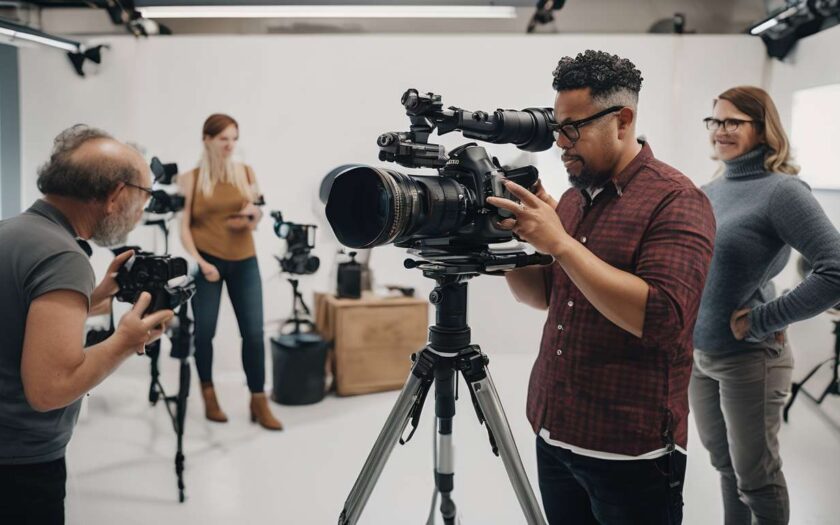
Unquestionably, traditional photography media has long been criticized for excluding individuals with disabilities. Many argue that this exclusion causes us to miss the intangible richness found in embracing diverse accessibility practices.
Conventional minds may see these practices as unnecessary financial burdens or dilutions of artistic integrity. This perspective, however, overlooks the profound creative potential and broader reach achieved when we design our photography platforms inclusively.
By incorporating tools such as:
- Alt text
- Detailed descriptions
- Tactile formats
we do not only comply with formal regulations but also enhance creative expression for everyone involved.
These practices are not merely enhancements; they are revolutionary adaptations that redefine how art reaches and impacts our audience.
While some remain skeptical, the undeniable truth is that accessibility isn’t about checking a box—it’s about opening new dimensions of engagement and connection.
As we delve deeper, we’ll explore how such practices are not mere adjustments but essential evolutions in the adult photography media landscape.
The Impact of Alt Text
Alt text significantly enhances accessibility in adult photography media by providing descriptive text for visually impaired users.
By incorporating alt text, we create an inclusive environment where everyone feels welcome and engaged. It’s more than just a technical addition; it’s a way to foster connection and understanding among a diverse audience.
Alt text bridges the gap, ensuring that visually impaired users can participate in the full experience, which is crucial for audience engagement.
Key Benefits of Alt Text:
- Ensures full participation for visually impaired users.
- Fosters a sense of belonging and inclusivity.
- Enhances overall audience engagement.
We know that fostering a sense of belonging is important, and alt text plays a vital role in this. It allows users to engage with content in a meaningful way, akin to tactile formats that offer a sensory experience.
When we prioritize accessibility, we’re saying that every member of our community matters. By doing so, we enhance the overall experience and ensure that no one is left out.
Let’s continue to prioritize alt text, making our media more inclusive and accessible for everyone.
Enhancing Descriptive Detail
Elevating Accessibility through Descriptive Detail
We can enhance the accessibility of our content by focusing on improving the descriptive detail in our media. By enriching our alt text, we provide a richer experience for everyone, ensuring that our audience, regardless of their abilities, feels included and valued.
Key Aspects of Effective Alt Text:
- Alt text should capture more than just descriptions.
- It should convey the essence and emotions of the visual content.
- Aim to foster a deeper connection and audience engagement.
Creating a Shared Experience:
When our descriptions are vivid and precise, we create a shared experience that brings us closer together. This sense of belonging is crucial for those who rely on these descriptions to fully appreciate the art.
- Tactile formats offer another layer of engagement.
- Start with detailed, imaginative descriptions that paint pictures in the mind.
Prioritizing Inclusivity and Creativity:
As we refine our approach, let’s prioritize inclusivity and creativity. By doing so, we not only expand access but also enrich our entire community’s appreciation and understanding of photography’s unique beauty and intricacies.
Embracing Tactile Formats
Exploring Tactile Formats in Adult Photography Media
Incorporating tactile formats can significantly enhance the accessibility of adult photography media. By integrating tactile elements, we create a richer experience that goes beyond visual components. These formats allow us to engage more deeply with our diverse audience, fostering a sense of belonging and inclusion.
Benefits of Tactile Experiences:
- Offers a unique way to interact with photography.
- Provides those with visual impairments a new dimension of understanding and enjoyment.
Importance of Alt Text
In addition to tactile elements, using alt text is crucial for accessibility. Alt text provides descriptions of images, ensuring that everyone, regardless of ability, can appreciate the content.
Combining Tactile Formats and Alt Text:
- Enhance audience engagement.
- Make media more inclusive and approachable.
Commitment to Accessibility
Ultimately, embracing tactile formats alongside alt text challenges us to think creatively and inclusively. Together, let’s commit to making adult photography media accessible to all, ensuring that every individual feels valued and included in the shared experience.
Accessibility Compliance Benefits
Achieving Accessibility Compliance in Adult Photography Media
Achieving accessibility compliance in adult photography media offers numerous advantages, including broader audience reach and enhanced user satisfaction. By incorporating alt text and tactile formats, we’re making our content more inclusive, ensuring everyone feels welcome and valued.
Benefits of Accessibility Compliance:
- Broadens our audience reach.
- Deepens audience engagement.
- Fosters a sense of community and belonging.
Incorporating Alt Text:
When we take the time to describe our images with alt text, we’re inviting those with visual impairments to experience our work. It’s a gesture of belonging that says, "You’re part of our community."
Utilizing Tactile Formats:
- Opens up new dimensions for those who experience the world differently.
- Fosters a richer connection with our media.
Community Enrichment:
Accessibility compliance doesn’t just benefit the audience; it enriches our community. When everyone can access and enjoy our content, we create a shared space where diverse experiences are celebrated.
Together, we form a more united and engaged community, strengthening our bonds and expanding our horizons.
Creative Expression Amplified
Creative expression in adult photography media is amplified when we embrace accessibility, allowing us to explore new artistic possibilities and reach wider audiences.
Integrating Alt Text:
- By integrating alt text, we provide detailed visual descriptions.
- This invites individuals who are visually impaired to enjoy and interpret our work.
- The practice enhances audience engagement and fosters a sense of belonging among diverse viewers.
Tactile Formats:
- Tactile formats offer another layer of creative depth.
- Converting visual art into tactile experiences transcends traditional boundaries.
- This enables everyone to connect with the art on a physical level, resonating with unique sensory perceptions.
Commitment to Accessibility:
- Our commitment to accessibility broadens our reach and adds richness and diversity to our artistic expressions.
- Prioritizing inclusivity creates an environment where everyone feels valued and connected.
Redefining Art Appreciation:
Together, we can redefine what it means to create and appreciate art, ensuring no one is left behind.
Redefining Audience Engagement
We’re transforming how audiences interact with adult photography by embracing new accessible methods that invite more inclusive participation.
By integrating alt text, we’re ensuring that our visually impaired community members can fully experience the richness of our imagery. Alt text provides detailed descriptions that capture the essence and emotion of the photographs, allowing everyone to engage meaningfully.
In addition to alt text, we’re introducing tactile formats that let individuals explore photographs through touch. These formats bring a new dimension to audience engagement, offering a sensory experience that goes beyond the visual. By doing so, we’re not only broadening access but also deepening the connection between the art and its audience.
Our commitment to redefining audience engagement is rooted in the belief that everyone deserves to feel connected.
As we continue to innovate, we’re building a community where everyone’s experience is valued and shared. Together, we’re making adult photography a more inclusive and enriching space for all.
Beyond Checkbox Mentality
We’re moving past the superficial adoption of accessibility measures by embedding genuine inclusivity into every aspect of our adult photography media. This shift means we’re not just ticking boxes with alt text but creating a richer, more engaging experience for everyone.
By embracing tactile formats, we ensure that all audiences can physically connect with our content, fostering a sense of belonging and community.
Our commitment to audience engagement goes beyond mere compliance; it’s about understanding and valuing diverse perspectives.
- Alt text isn’t just a description; it’s a narrative tool that invites those with visual impairments into the conversation, enabling them to visualize and interpret the art in their own unique way.
- Tactile formats open new dimensions, allowing individuals to engage with photography through touch, enhancing their sensory experience.
Together, we’re crafting a media landscape where accessibility is integral, not an afterthought. By prioritizing inclusivity, we create a space where everyone feels seen, heard, and valued.
Evolution in Media Accessibility
Over the years, we’ve witnessed a transformative shift in the way accessibility is approached in media, moving from mere compliance to true integration. This evolution empowers us all, fostering a sense of belonging and inclusion in adult photography media.
We’ve embraced alt text as a tool not just for describing images, but for engaging audiences on a deeper level. Alt text now:
- Tells stories
- Provides context
- Invites everyone to experience the richness of the visual content
Tactile formats are breaking new ground, enabling those with visual impairments to participate in the appreciation of photography. By incorporating these formats, we’re ensuring that no one is left behind in the sensory experience.
Audience engagement is at the heart of this progress. We’ve learned that accessibility isn’t just about meeting standards; it’s about:
- Creating connections
- Nurturing a shared experience
Together, we’re shaping a more inclusive future where every individual feels seen, heard, and valued in the media landscape.
What are the key challenges faced by disabled individuals in accessing adult photography media?
Accessing Adult Photography Media: Challenges for Disabled Individuals
Accessing adult photography media can present several challenges for disabled individuals. These challenges include:
- Navigating websites with complex layouts
- Encountering content without proper descriptions
Importance of Accessibility
Ensuring accessibility is crucial to enable everyone to engage with adult photography content. By addressing these challenges, we can:
- Create a more inclusive environment
- Ensure all individuals, regardless of ability, can access and enjoy adult photography media
Solutions for Accessibility
To overcome these barriers, consider the following steps:
-
Simplify Website Layouts: Design websites with straightforward navigation to accommodate screen readers and other assistive technologies.
-
Provide Proper Descriptions: Ensure all content includes detailed alt text and descriptions to convey visual information effectively.
-
Implement Accessibility Standards: Follow established guidelines such as the Web Content Accessibility Guidelines (WCAG) to make sure all users can access content.
By focusing on these solutions, we can enhance the accessibility of adult photography media for disabled individuals.
How do different disabilities impact the way individuals experience photography media?
Different disabilities impact how we experience photography media uniquely.
Visual Impairments
- May require audio descriptions to convey visual information.
Hearing Impairments
- Necessitate captions or sign language interpretation to understand auditory content.
Cognitive Disabilities
- Benefit from simpler layouts to enhance comprehension.
Mobility Limitations
- May require alternative input methods to interact with media effectively.
Each disability offers a distinct perspective, shaping the way we interact with and understand photography media.
Understanding these differences is crucial for creating inclusive and accessible experiences for all individuals.
What are some emerging technologies that could further enhance accessibility in adult photography media?
We’ve been exploring how various disabilities affect experiencing photography media. Now, let’s consider emerging technologies boosting accessibility in adult photography.
AI-Powered Image Recognition
- Describes scenes for visually impaired users.
- Enhances understanding and engagement with visual content.
Voice-Controlled Interfaces
- Allows users with mobility impairments to navigate and interact with media without needing physical touch.
- Provides an intuitive way to control devices and access content.
Haptic Feedback
- Offers tactile responses that can guide users through content.
- Enables those with limited vision or mobility to experience photography in a new dimension.
These advancements pave the way for a more inclusive and engaging experience for all individuals interacting with adult photography media.
Conclusion
Accessibility practices are transforming adult photography media, creating more inclusive and engaging experiences.
Key strategies include:
- Incorporating alt text to provide descriptions of images for those who use screen readers.
- Enhancing descriptive detail to ensure images are more comprehensible and enjoyable for all viewers.
- Embracing tactile formats that allow individuals with visual impairments to experience photography through touch.
The industry is evolving to meet the needs of all audiences. Compliance with accessibility standards benefits users with disabilities, amplifying creative expression and redefining audience engagement.
It’s essential to move beyond the checkbox mentality and continue pushing for greater evolution in media accessibility.