
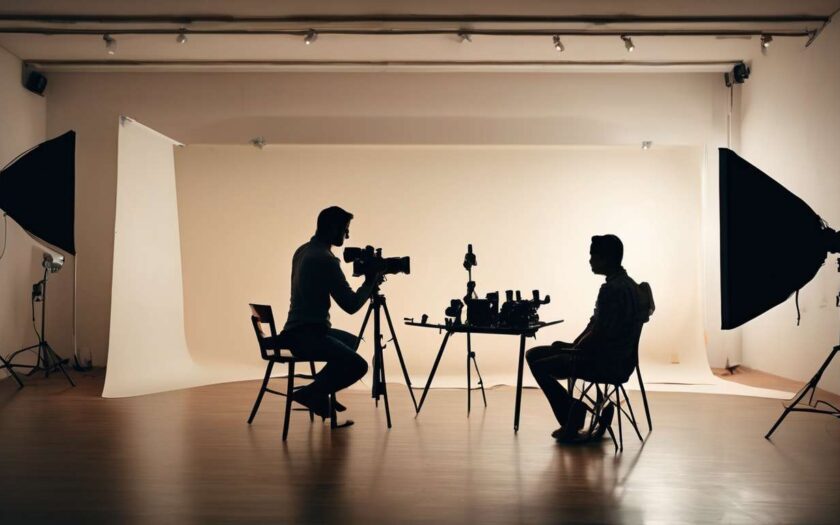
Not long ago, the notion of personal privacy intertwined with the art of photography in ways we never anticipated. As we navigate the digital landscape, the connection between our privacy expectations and the production of adult photography emerges as a compelling area for exploration.
While many might view these two domains as existing in separate realms, our collective experiences reveal that the boundaries are, in fact, blurred. Our increasing awareness of digital footprints reshapes how adult photographers create and share their work.
These creatives, operating at the intersection of artistry and discretion, must continuously adapt to ever-evolving privacy landscapes influenced by societal norms and legal frameworks. As we explore this nexus, we see how privacy shapes the visual narratives they produce, echoing our own cautious dance with private and public selves.
This unexpected connection underscores the profound influence of privacy on even the most intimate forms of expression.
Privacy Redefines Artistic Boundaries
In today’s digital age, privacy concerns are reshaping how we define and approach artistic boundaries in photography. As a community, we strive to balance creativity with respect for individuals’ privacy.
This evolving landscape requires us to be innovative, thinking outside the box while respecting the lines that protect personal space and information. Innovation doesn’t just mean new techniques or tools; it also involves developing fresh perspectives that honor the dignity of those we capture in our lenses.
Legal frameworks play a crucial role in guiding us. They help establish the guardrails within which we can safely experiment and explore. By adhering to these guidelines, we ensure our work is both ethically and legally sound, fostering a sense of trust and belonging among our subjects and audience.
Together, we can create a respectful environment where artistic expression thrives without compromising privacy. As we navigate this journey, let’s embrace the challenge and opportunity to innovate responsibly.
Digital Footprints and Creative Adaptation
In an era where digital footprints are ubiquitous, we must creatively adapt our photography practices to ensure we respect individuals’ privacy. As a community of photographers, we’re constantly seeking innovative ways to capture the essence of our subjects while safeguarding their personal space. By embracing new techniques and tools, we can achieve a balance between artistry and privacy, fostering trust and inclusivity.
Innovation drives us to explore methods that minimize intrusive digital imprints. Some strategies include:
- Experimenting with angles and compositions that maintain anonymity.
- Employing editing software that enhances privacy.
Our shared goal is to advance our craft while ensuring our subjects feel secure and respected.
We navigate this complex landscape under existing legal frameworks, understanding their role in shaping ethical practices. By staying informed and collaborating, we strengthen our community bonds and elevate our art form.
Together, we can create a supportive environment where creativity thrives alongside a deep respect for privacy, ensuring everyone feels safe and valued.
Evolving Landscapes: Navigating Legal Frameworks
As photographers, navigating an ever-changing legal landscape is essential to ensure our work respects privacy rights while fulfilling artistic visions. This challenge demands our constant attention and adaptability.
We are part of a community that values creativity and innovation, but we also understand the importance of respecting the boundaries set by legal frameworks. These frameworks are not static; they evolve as society’s understanding of privacy grows and technology advances.
Balancing innovation with privacy is crucial. We must:
- Stay informed about new regulations.
- Understand how these regulations impact our practices.
By doing so, we can create responsibly while embracing new artistic possibilities. Our shared goal is to ensure our work not only captivates audiences but also respects individual rights.
In this evolving landscape, we find support in our community by:
- Sharing insights.
- Discussing experiences.
- Developing strategies to navigate complexities together.
By fostering an environment of collaboration and respect, we strengthen our collective ability to adapt and thrive.
The Intersection of Sensitivity and Innovation
In our quest to push creative boundaries, we must remain acutely aware of the sensitivities involved in capturing and sharing images.
Balancing privacy with innovation isn’t just a challenge; it’s a responsibility. As we explore new technologies and artistic expressions, we must ensure that our work respects individual privacy while embracing the creative potential these innovations offer.
We’re all part of a community that values both progress and respect, and it’s crucial to remember that our creations can impact others’ lives.
Navigating legal frameworks is integral to this process.
They provide a structure that helps us innovate responsibly, ensuring we’re aligned with privacy standards while exploring new visual frontiers. By understanding these frameworks, we can create art that’s both groundbreaking and respectful, fostering a sense of belonging within our community.
Together, we can celebrate creativity that honors the delicate balance between sensitivity and progress, leading to a more inclusive and mindful photographic landscape for everyone.
Visual Narratives: Reflections of Privacy Norms
In crafting visual narratives, we often find ourselves reflecting on how privacy norms shape and influence our photographic work. Our community thrives on innovation, yet we’re equally grounded in respecting the deeply personal boundaries that privacy implies.
When we create, we’re not just capturing images; we’re telling stories that respect individuals’ rights and dignity. Privacy isn’t just a constraint; it’s a guiding principle that inspires us to explore new ways of storytelling.
As photographers, we navigate legal frameworks that both protect privacy and challenge us to innovate within these boundaries. We’re constantly asking ourselves how we can push creative limits while honoring the personal spaces of those we photograph.
Our shared values drive us to embrace a culture where creativity and respect coexist. Together, we seek to build visual narratives that reflect not only our artistic vision but also the trust and intimacy inherent in the subjects we capture.
Let’s continue to foster this belonging through mindful creation.
Discretion in Creation: A Balancing Act
In our pursuit of powerful imagery, we often confront the delicate task of balancing artistic freedom with the need for discretion. As creators, we strive to innovate while respecting the privacy of those we capture. Our work reflects not just our skills but also our values, and the communities that view our images seek connection, understanding, and respect.
Our challenge lies in navigating the legal frameworks that govern our craft. These frameworks ensure that privacy rights are upheld, yet they also provide a space for innovation. We’ve seen how thoughtful adherence to these guidelines fosters trust and openness, allowing our work to be celebrated rather than scrutinized.
Together, we must remain vigilant, ensuring that our creative processes honor the individuals we portray. By doing so, we uphold a community standard that balances expression with discretion.
We’re not just creating images; we’re contributing to a shared vision that respects and elevates all participants.
Societal Influence on Intimate Expression
Our society’s evolving norms shape how we express intimacy in photography, influencing both the subjects we choose and the narratives we tell. As we adapt to these changes, we find ourselves navigating a landscape where privacy and innovation intersect. We’re constantly redefining what it means to capture intimate moments while respecting personal boundaries.
This process is not just about creating art; it’s about fostering a sense of connection and belonging within our communities. Innovation in photography offers us new tools and techniques to explore intimacy, yet it also challenges us to consider the implications of our creative choices.
We must remain mindful of the legal frameworks that govern privacy, ensuring that our expressions of intimacy don’t infringe upon the rights of others. Balancing our desire for authentic expression with these considerations is crucial. Together, we can cultivate a space where shared experiences are respected and celebrated, allowing us all to feel seen and understood.
The Privacy Paradox in Photography
As photographers, we often find ourselves caught in the privacy paradox, where the desire to capture genuine moments conflicts with the need to respect personal boundaries. We strive to innovate in our craft, seeking fresh perspectives and authentic expressions. Yet, this drive can sometimes blur the lines of privacy, challenging our ethical compass.
Our community understands the importance of belonging, ensuring subjects feel safe and respected while we document their stories.
Navigating this paradox involves balancing creativity with a strong adherence to legal frameworks. We must remain informed about privacy laws and the ethical standards that guide our work. By doing so, we ensure our innovations in photography don’t infringe on individual rights.
It’s essential that we engage in open dialogues about privacy, sharing best practices and learning from one another. Together, we can create a culture where artistic expression and personal boundaries coexist harmoniously, fostering trust and respect within our community.
What are the most common privacy concerns faced by photographers in the digital age?
In the digital age, privacy concerns are increasingly prevalent for photographers. These concerns include:
- Safeguarding sensitive client information
- Respecting individuals’ rights to control their image
It’s crucial to navigate these issues with care and professionalism to ensure that we prioritize privacy and consent in all our work.
By staying informed about:
- Privacy laws
- Best practices
we can build trust with our clients and create a safe environment for all involved.
How do photographers ensure consent from subjects in adult photography?
To ensure consent in adult photography, we always prioritize open communication.
We make sure to discuss the following with our subjects before any shoot:
- Boundaries
- Intentions
- Expectations
This approach helps create a safe and respectful environment for everyone involved.
Consent is key in our work, and we strive to ensure that all parties feel comfortable and respected throughout the photography process.
What role does technology play in protecting the privacy of both subjects and photographers?
Technology plays a crucial role in safeguarding privacy for both subjects and photographers.
We rely on several key technologies to ensure protection:
- Encryption: This secures sensitive data, making it accessible only to authorized individuals.
- Watermarking: This protects our work by embedding unique identifiers, preventing unauthorized use.
- VPNs: These tools shield our online activities, maintaining anonymity and security.
These measures not only ensure confidentiality but also foster trust between all parties involved.
As a team, we are committed to leveraging technology to uphold the privacy rights of everyone in the adult photography industry.
Conclusion
As you navigate the intricate relationship between privacy expectations and photography production, remember that discretion and sensitivity are key.
Finding the balance between artistic expression and respecting personal boundaries is a continuous process. By adapting to evolving landscapes and societal norms, you can create visual narratives that reflect the complexities of privacy in our modern world.
Embrace the privacy paradox in photography as a challenge to:
- Innovate
- Redefine boundaries
- Approach with thoughtfulness and creativity
This will allow you to successfully integrate privacy considerations into your work while maintaining artistic integrity.